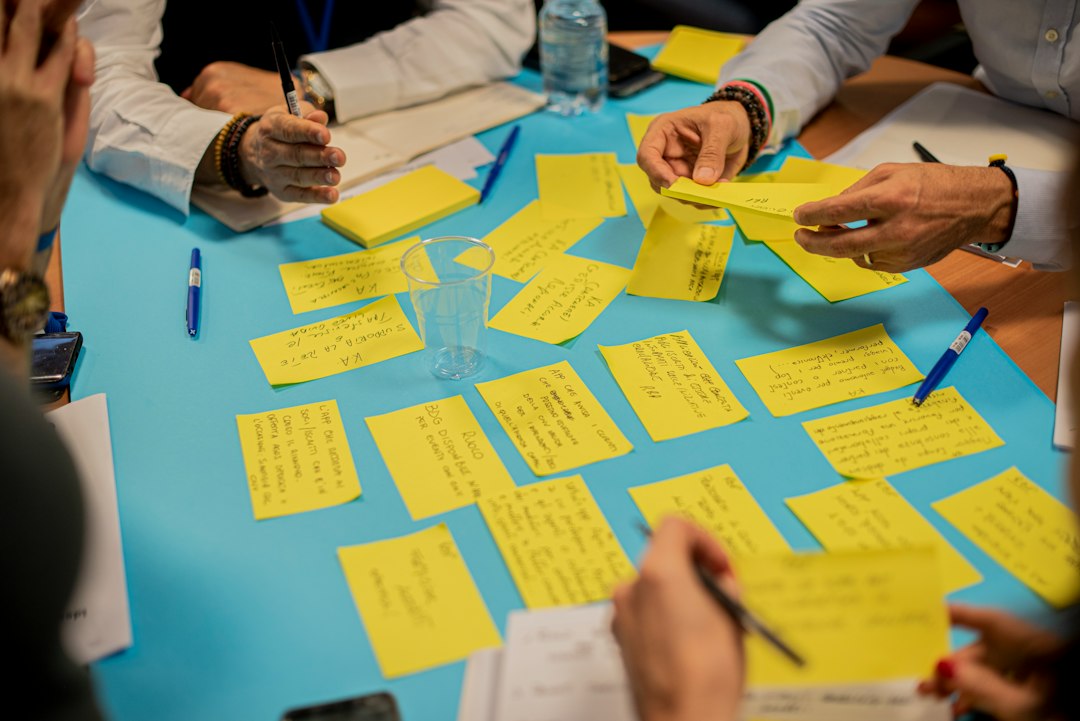
Illustrative photograph. Photo: RONNAKORN TRIRAGANON / Unsplash.
TWI process confirmation is often treated as a check after Job Instruction: Did the employee learn the job, and are they following the standard? That matters, but it is only the beginning. Used as a compliance inspection, confirmation misses the opportunity to test whether the training, tools, workplace conditions and standard itself enable good work.
A useful confirmation is not a hunt for mistakes but a structured workplace conversation. The leader observes the real process, compares it with the current best-known method and listens to the person doing the work. The goal is to maintain what works, expose obstacles and create a practical route to improvement.
Why a compliance-only approach falls short
A standard describes the best-known way to perform a job safely, correctly and consistently today. It provides a shared baseline for training and improvement. However, a document cannot reveal every change in materials, equipment, staffing, product mix or workplace conditions. Only direct observation and dialogue can show whether the standard remains usable in practice.
When a leader sees a deviation, the easiest response is: “Follow the instruction.” Sometimes that is appropriate. But repeated deviation may indicate a system problem. Training may not have explained a key point clearly. A tool may be unreliable, the layout may create unnecessary movement, production pressure may reward a shortcut, or the documented method may no longer reflect the safest way to work.
If confirmation focuses only on the person, these conditions remain hidden. The organization repeatedly corrects behaviour without correcting the environment that produces it.
Five purposes of TWI process confirmation
1. Reinforce commitment to the current standard
Confirmation makes the standard a living agreement rather than a file. Leader and employee clarify the current method, including the important steps, key points and reasons that protect safety, quality and performance. Follow-up shows that training still matters after the demonstration has ended.
2. Test whether the system supports the work
The operator’s actions provide evidence about the wider system. If the expected method is difficult, the leader should investigate the conditions around the job. This changes the tone from “Why did you fail to comply?” to “What makes the agreed method difficult?” Accountability remains, combined with curiosity.
3. Trigger improvement
A recurring gap should trigger learning, not an endless cycle of correction. The team can examine training, equipment, materials, information, workload, workplace design and the standard itself. Confirmation becomes an early-warning mechanism and a source of evidence-based improvements.
4. Learn from the people doing the job
Employees develop detailed knowledge through daily contact with the process. They notice awkward motions, unstable conditions, unclear information and emerging risks. Confirmation creates an opportunity to capture that knowledge and evaluate better ways of working.
5. Build trust through useful dialogue
People speak honestly when raising a problem leads to support rather than blame. A leader who listens, checks facts and closes the loop shows that confirmation improves the work rather than catches the worker. Abnormal conditions become easier to discuss.
Practical gemba questions for process confirmation
Begin by observing a normal cycle without interrupting. Then use open questions and ask the employee to explain or demonstrate the work. The following prompts help move the discussion beyond a simple pass-or-fail check:
- Can you walk me through the important steps of this job?
- Which key points protect safety, quality or ease of work?
- Why is each key point important?
- Which part of the current standard is hardest to follow consistently?
- What conditions make this job easier or more difficult today?
- Are the tools, materials and information fit for the purpose?
- Where do interruptions, rework, waiting or workarounds occur?
- What has changed since you were trained?
- If experienced people use a different method, what problem are they trying to solve?
- What would you change first to make the job safer, clearer or more reliable?
Avoid turning these questions into an interrogation. Ask one question, listen fully and examine the work together. When an answer reveals a concern, agree on the next action, owner and follow-up date.
Leader standard work for effective confirmation
Process confirmation becomes reliable when it is built into leader standard work rather than performed only after an incident. A simple routine can include the following:
Before the observation
- Select work based on risk, recent training, change or recurring deviation.
- Review the current instruction and understand its key points and reasons.
- Tell the employee that the purpose is to learn about the process as well as confirm the method.
During the observation
- Observe the real job in its normal conditions.
- Compare facts with the standard without jumping to conclusions.
- Ask the employee to explain key points and reasons in their own words.
- Separate an individual skill gap from a barrier created by the system.
- Recognize correct practice and useful improvement ideas.
After the observation
- Correct any immediate safety or quality risk.
- Agree whether the response is coaching, retraining, obstacle removal or review of the standard.
- Assign ownership and a due date for unresolved issues.
- Return to the employee with the outcome, even when the standard will not change.
- Review recurring themes across confirmations to identify systemic priorities.
Common failure modes to avoid
Delegating every confirmation to the Job Trainer. Trainers play an essential role, but leaders need direct contact with the work and the people doing it. Otherwise, they lose information about barriers, risk and improvement opportunities.
Using a checklist without conversation. A completed form is not evidence of understanding. The value comes from observation, explanation, questions and action.
Closing every gap with retraining. Retraining helps when the person has not learned or retained the method. It does not repair poor tools, conflicting priorities or an outdated standard.
Collecting issues without closing the loop. Asking for honest feedback and then doing nothing damages trust. Even when an idea cannot be implemented, explain the decision and what was learned.
From confirmation to continuous improvement
The strongest routine creates a closed learning loop: teach the best-known method, observe the work, understand gaps, remove obstacles, improve the method when evidence supports a change, and teach the revised standard consistently. Stability and improvement are not opposites. A clear standard makes variation visible; respectful confirmation explains it; disciplined action creates a better standard.
This is why TWI process confirmation belongs in leadership practice. It protects the result of Job Instruction while giving leaders a recurring view of how the system actually behaves. Done well, it maintains performance, develops people and makes continuous improvement part of everyday work.
Frequently asked questions
Is TWI process confirmation the same as an audit?
No. Both may compare actual work with an agreed standard, but process confirmation is designed as a learning conversation. It verifies the method while also exploring training effectiveness, workplace barriers and improvement ideas. It should support accountability without becoming a blame exercise.
Who should conduct process confirmation?
Job Trainers can confirm learning and provide follow-up, but operational leaders should also participate. Their presence allows them to understand the work directly, remove cross-functional barriers and act on issues that are beyond the trainer’s authority.
What should happen when an employee does not follow the standard?
First protect safety and quality. Then establish the facts. Determine whether the cause is a skill or knowledge gap, an unclear instruction, unsuitable tools, changed conditions, conflicting priorities or a better method that has not yet been evaluated. Choose the response that fits the cause rather than defaulting automatically to retraining or discipline.
Source and further reading
This article expands on Susanne Svenningsen’s practical reflection on process confirmation, leadership and continuous improvement: read the original LinkedIn post.

Susanne Svenningsen is a Learning & Development Manager at Welcon A/S and a highly respected Training Within Industry (TWI) practitioner with extensive hands-on experience in implementing TWI programs in complex industrial environments.
She combines a strong background in consulting and project management with deep, operational implementation experience. At Welcon, Susanne is responsible for the end-to-end deployment and sustainability of the TWI Job Instruction program - as a start - covering five major production locations and training more than 200 employees, including senior management, production leaders, support functions, and over 70 certified TWI Job Trainers.