Quality in remanufacturing cannot be created by a certificate alone. Certification provides a management framework, but customers experience quality through the component they receive: its technical parameters, reliability, safety and consistency in service.
Remanufacturing makes this challenge particularly demanding. The process does not begin with uniform raw material. It begins with used components that may have different operating histories, wear patterns, contamination levels and hidden failure modes. The organization must control that variation and repeatedly restore every accepted component to clearly defined technical requirements.
Case attribution: this article develops observations from a LinkedIn case described by Jarosław Jurasz concerning Turbo-Tec’s ISO 9001 renewal audit. The reported audit result and comments attributed to the auditors reflect the account published by the author and Turbo-Tec; they have not been independently verified by Lean Community.
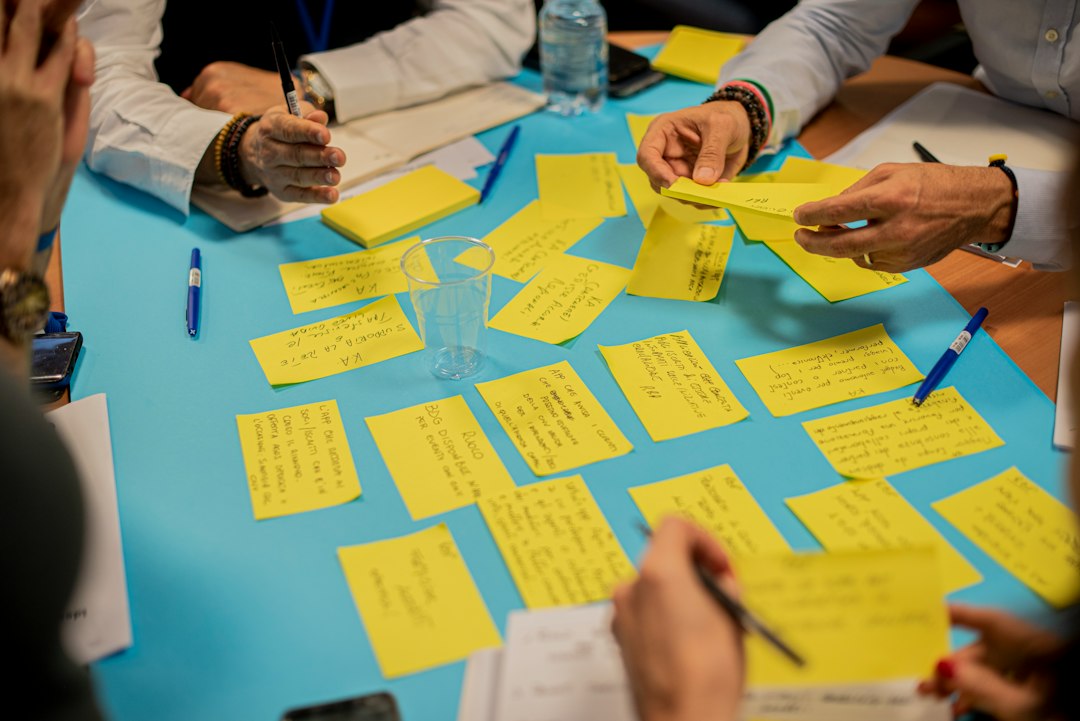
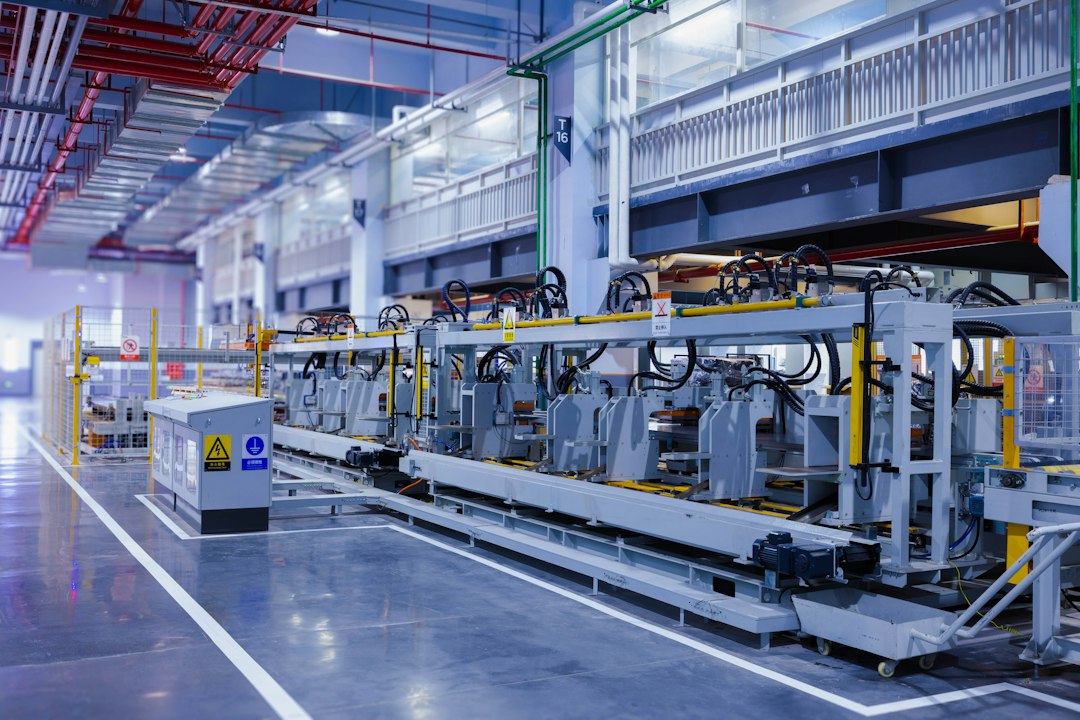
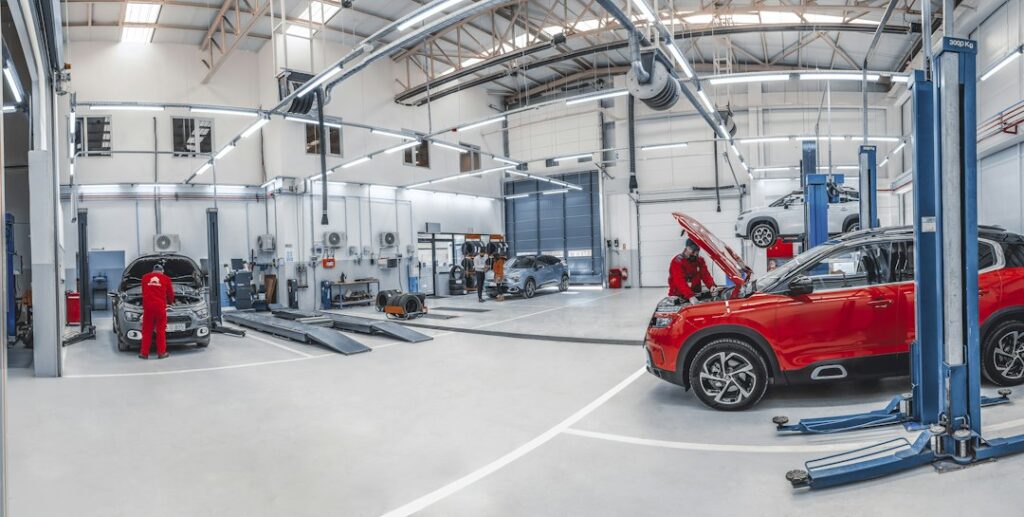
Illustrative photograph. Photo: Mehmet Talha Onuk / Unsplash.
Why ISO certification is only the starting point
In his case description, Jurasz reported that Turbo-Tec successfully completed an ISO 9001 renewal audit after three years on its certified-quality path. According to the post, the auditors paid particular attention to process standardization based on TWI and Lean, control of measuring and inspection equipment, analysis of complaint causes through structured problem-solving methods, and the development of technical competence through Kata.
These observations point to an important distinction. A quality management system describes how an organization intends to control its processes. Operational quality depends on whether people can apply that system consistently when inspecting, disassembling, cleaning, assessing, repairing, assembling and testing real components.
The certificate therefore should not become the destination. It should confirm that a functioning system exists. The real objective is a process capable of producing repeatable decisions and repeatable technical outcomes despite the variation inherent in returned components.
A practical system for quality in remanufacturing
A robust operating model can be organized around four mutually reinforcing pillars. Removing any one of them weakens the entire system.
| Pillar | Main risk addressed | Daily management practice | Evidence to observe |
|---|---|---|---|
| TWI and standardized work | Different operators performing critical work differently | Job breakdowns, structured instruction and process confirmation | Operators can demonstrate the agreed method and explain key points |
| Measurement discipline | Incorrect acceptance, diagnosis or final-test decisions | Controlled equipment, defined methods and traceable results | Measurements are reliable, reproducible and connected to decisions |
| PDCA problem solving | Recurring defects treated only through containment | Cause analysis, experiments, corrective action and verification | Learning changes the process instead of ending with a report |
| Kata capability development | Improvement depending on a few experts | Short coaching cycles focused on obstacles and evidence | Teams learn to improve within daily work |
1. TWI turns technical knowledge into repeatable work
Many remanufacturing processes depend on experience that has accumulated over years. That expertise is valuable, but it becomes a risk when it remains only in the memory of one specialist. TWI Job Instruction helps convert expert knowledge into a method that another person can learn and perform correctly, safely and consistently.
A useful job breakdown does more than list steps. It identifies key points that determine quality and explains the reasons behind them. The trainer then demonstrates the job, checks understanding, lets the learner perform it and follows up until the method is stable.
This matters wherever small variations in cleaning, measurement, assembly, adjustment or testing can influence the final result. Standardized work should also remain editable. When problem solving reveals a better method, the standard must change, instructors must be aligned and affected employees must be retrained.
2. Measurement must support decisions, not merely produce numbers
Precise diagnostic and final-test equipment is essential, but equipment control is only part of the system. A calibrated instrument does not automatically guarantee a sound decision. The organization must also define what to measure, where to measure it, under what conditions, how to interpret the result and what action follows.
Measurement discipline therefore connects equipment status, operator competence, test methods, acceptance criteria and traceability. If different people can interpret the same result differently, the apparent precision of the instrument may hide process variation.
Good process confirmation should examine this complete decision chain. The relevant question is not only, “Was the measurement taken?” but also, “Can we trust it, and did it lead to the correct decision?”
3. PDCA converts complaints into prevention
A complaint provides information about a gap between the expected and actual result. Containment protects the customer, but it does not prevent recurrence. The team must move from the symptom to the process conditions that allowed the problem to appear and escape.
Jurasz’s Turbo-Tec case referenced a Quality Grid, TTPS and PDCA as elements supporting complaint analysis and corrective action. Regardless of the specific template used, the logic should remain practical: define the problem, collect evidence, identify relevant process factors, test countermeasures, verify effectiveness and standardize what works.
The final step is frequently neglected. If the lesson does not update the job breakdown, training, measurement method, workplace or confirmation routine, the organization has completed paperwork without completing the learning cycle.
4. Kata develops the capability to improve
Standards stabilize work, but conditions continually change. New component variants appear, technologies evolve and teams encounter previously unknown obstacles. Kata introduces a routine for responding scientifically rather than relying on assumptions or jumping directly to solutions.
The improvement routine connects a meaningful challenge with the current condition, a near-term target condition, the obstacles preventing progress and the next experiment. Coaching Kata helps leaders develop this thinking in others through frequent questions and reflection.
This makes capability development part of operations rather than an occasional training event. The goal is not to create more improvement documentation. It is to help teams test ideas safely, learn from evidence and strengthen the process one step at a time.
Closing the quality loop
The four pillars become powerful when they operate as one closed learning loop:
- Detect a deviation through inspection, testing, process confirmation or customer feedback.
- Protect the customer and preserve relevant evidence.
- Use PDCA to investigate causes and test corrective actions.
- Update the technical method, measurement rule or workplace condition.
- Revise the standard and TWI job breakdown where necessary.
- Retrain affected employees and confirm the process in real work.
- Use Kata coaching to address remaining obstacles and continue learning.
This loop is what moves quality from the audit room to the workplace. It also prevents ISO preparation from becoming a temporary campaign. The same operating system used during an audit should be visible on an ordinary production day.
Questions leaders should ask at the gemba
- Which steps have the greatest influence on the component’s final technical parameters?
- Are the key points and reasons visible in the job breakdown?
- Can trained employees demonstrate the same method?
- Are measurement results traceable to equipment, method and acceptance criteria?
- What recurring deviations are we correcting without removing their causes?
- When did complaint analysis last lead to a changed standard?
- How do leaders confirm the process without turning confirmation into blame?
- What improvement capability is the team currently practising?
Frequently asked questions
Does ISO 9001 guarantee the quality of every remanufactured component?
No certificate can replace operational control of every relevant process. ISO 9001 provides a framework for a quality management system and external audits assess that system against defined requirements. Product quality still depends on competent people, controlled processes, reliable measurements, effective testing and disciplined reaction to deviations.
Why is TWI especially useful in remanufacturing?
Remanufacturing combines variable incoming components with work that often depends on detailed technical judgement. TWI helps capture expert knowledge, teach critical methods consistently and confirm that employees can perform the work correctly. It also provides a practical mechanism for deploying improved standards after a PDCA cycle.
How do PDCA and Kata complement each other?
PDCA provides the logic for planning a change, testing it, evaluating evidence and adjusting the process. Kata turns that logic into a repeatable behaviour supported by coaching. PDCA structures improvement; Kata helps people practise the thinking needed to use it regularly under real operating conditions.
Source and further reading
Read the original Turbo-Tec case described by Jarosław Jurasz on LinkedIn.

Production Director at Turbo-Tec Sp. z o.o. He has been working in the production industry for over 25 years, most of which
in the automotiv industry. Manager at Toyota Motors. Lean Specialist, Coach and Mentor of Kata. AGH UST graduate
Krakow and the Warsaw School of Economics. Privately, an enthusiast and user of Harley Davidson motorcycles.